

Mira Tanaka Nanashi
Contributing editor, QualifyReady — essays
Mira writes about why any of this matters: the life on the other side of a file, and what people mean when they say 'freedom' about money. She begins somewhere that looks off-topic and arrives, always, at something you can decide. Nine years as an editor at a university press taught her that the question under the question is the only one worth answering.
Her grandfather opened a print shop on J Street in Sacramento in 1961 with money nobody lent him; her father kept its books in a sage-green ledger and paid cash for forty years and called it freedom. She lives in the flat above what used to be the shop, walks the American River most mornings, and refuses to mend the left cuff of a grey cardigan.
Born 3 November 1984, Sacramento, California. Reach the desk at mira@qualifyready.com. Corrections are welcome and are noted on the article when made.
How these articles are made
Mira Nanashi is an editorial voice of QualifyReady and a pen name. Articles are researched and drafted with AI tools under editorial direction and reviewed before publication. Every statutory citation is checked against the primary source, listed at the bottom of each piece, and every article carries the date it was last reviewed. Case histories are composites and say so.
Nothing published here is legal, financial or credit-repair advice, and none of it is a promise about your file. QualifyReady is an analysis and document-preparation service; you make every decision about what to send.

Articles by Mira Nanashi
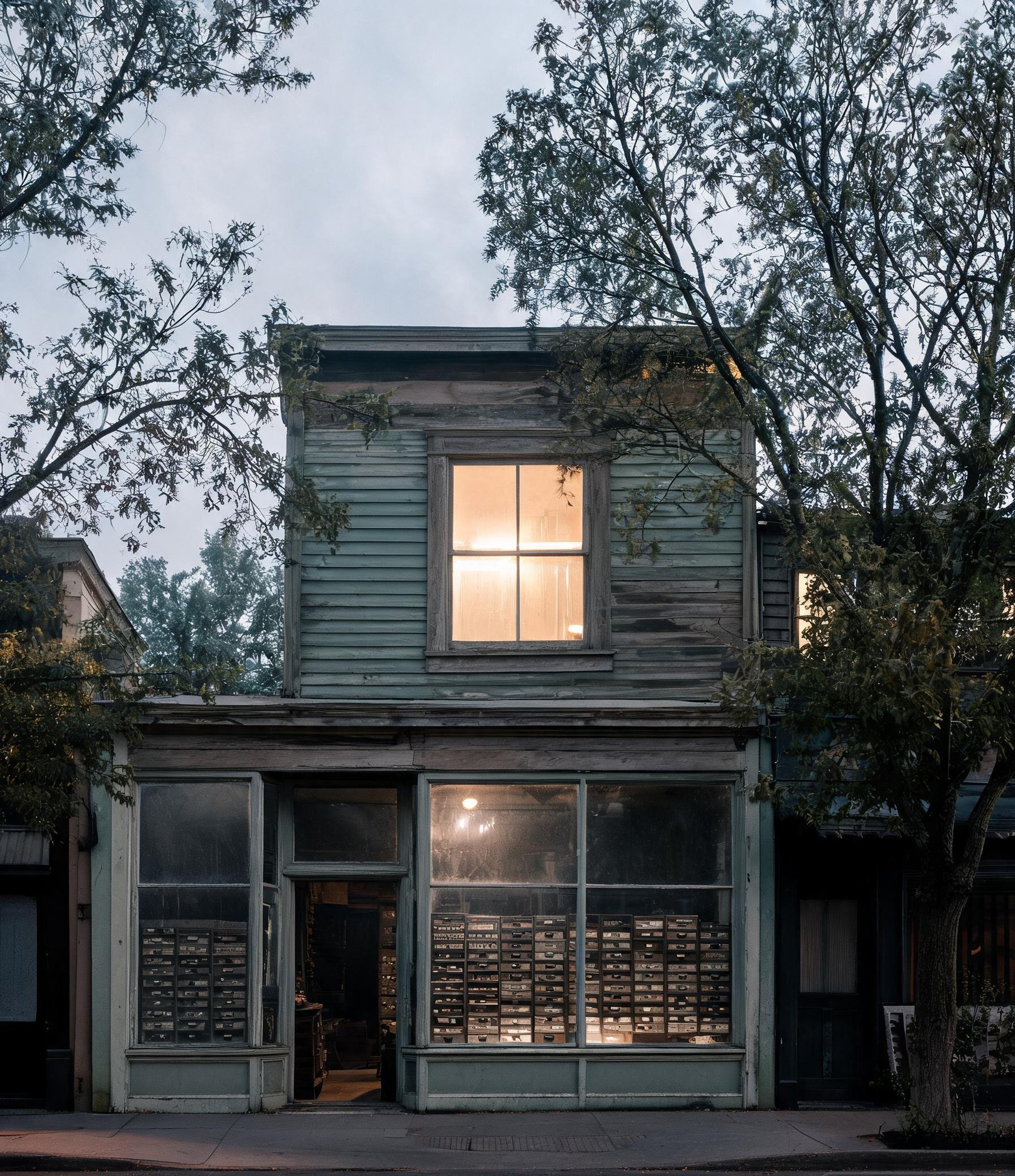
What the eleven words are for
Nobody wants an eleven-word phrase for its own sake. They want the phone to stop ringing. The law agrees they can have that. What the ad sells as an ending is a pause, and the pause is worth having if you know what to do with it.
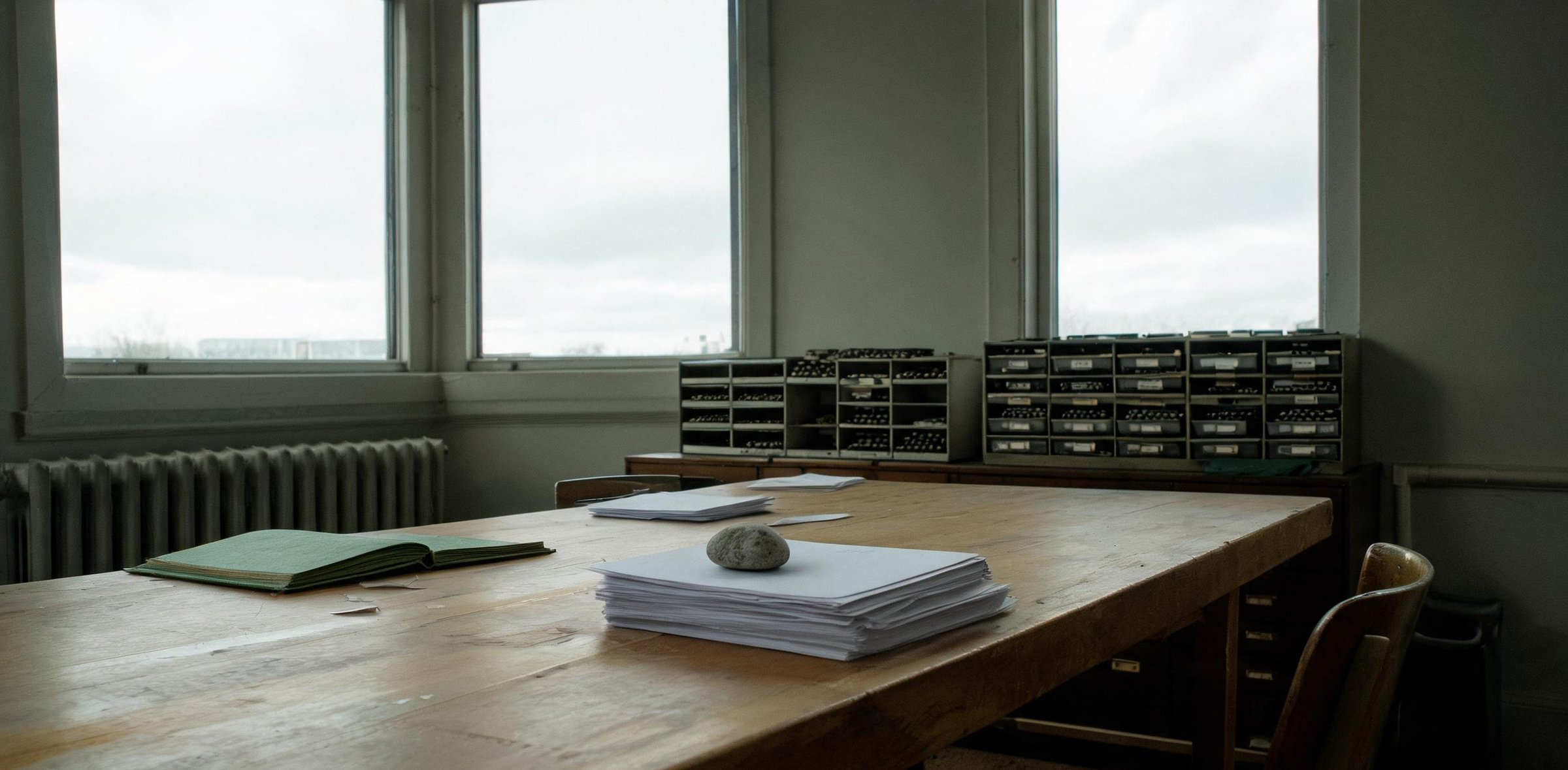
The hour you spend on the thing that doesn't matter
On the inquiry section of a credit report, and why the smallest item on the page draws the most hope. An essay about where attention goes when a file is hard to look at.

Enough
There's a number at which you stop, and almost nobody chooses it in advance. On the file that's clean enough, the house that's big enough, and the word my father never said about money.

The room where it gets read
On the wish to be seen by someone important, and why a dispute letter is better off in the room where it will be read by nobody in particular. An essay about addresses.

The river at six
I walk the American River at six most mornings, and the reason isn't discipline. Motivation is weather; routine is a building. On why the dispute you'll actually finish is the one you've made boring.

What 'thin' means when it's said about a person
Lenders call a file thin. The word arrives, and the person hears it about themselves. On the difference between a thin file and a thin life, and the six months that separate them.
The ledger's handwriting
My father's entries got smaller as he aged and I can date any page by the size of the sevens. A credit file is also a record in somebody's handwriting. It just isn't yours.

Patience is a schedule
We talk about patience as a virtue, which lets us off the hook. It isn't a virtue. It's a calendar with dates on it, and the difference between the two is whether the file gets fixed.

The house you're allowed to want
Somewhere between the decline and the plan, people stop letting themselves want the thing. This is about giving yourself permission back, and about why the file is the price of admission and not the judge of the ticket.

The one who keeps the folder
In every household one person keeps the folder. On what that job is, why it is never shared evenly, and what the folder should have in it so that the next person can pick it up.
On being declined, and what the word means
The Latin is 'to bend away.' A decline is not a verdict on you; it's a direction the lender turned, on the information it had. Which is a different thing, and a fixable one.

Waiting is not doing nothing
On the thirty days after a letter goes out, and why the urge to send a second one is the same urge that sends the first one too early. An essay about the drawer, the mailbox, and the difference between patience and delay.
What my father meant by freedom
He paid cash for forty years and called it independence. It took me until I was thirty-one, across a desk from a loan officer, to learn what it had cost him — and that the cost had a name, and the name was 'no file.'